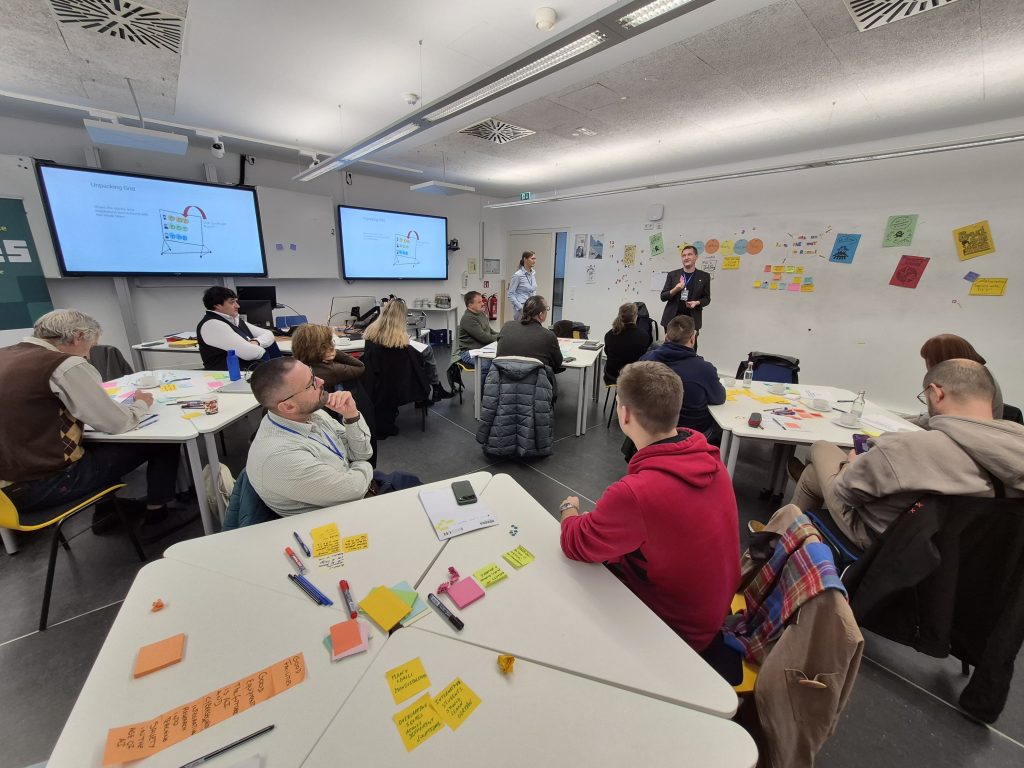
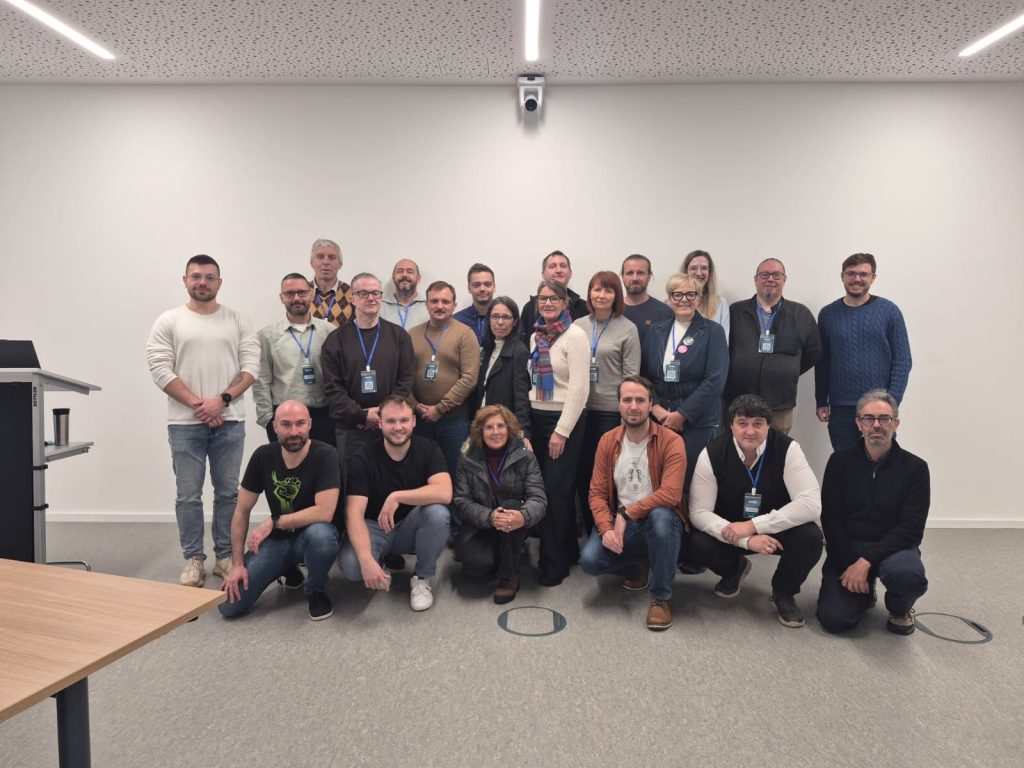
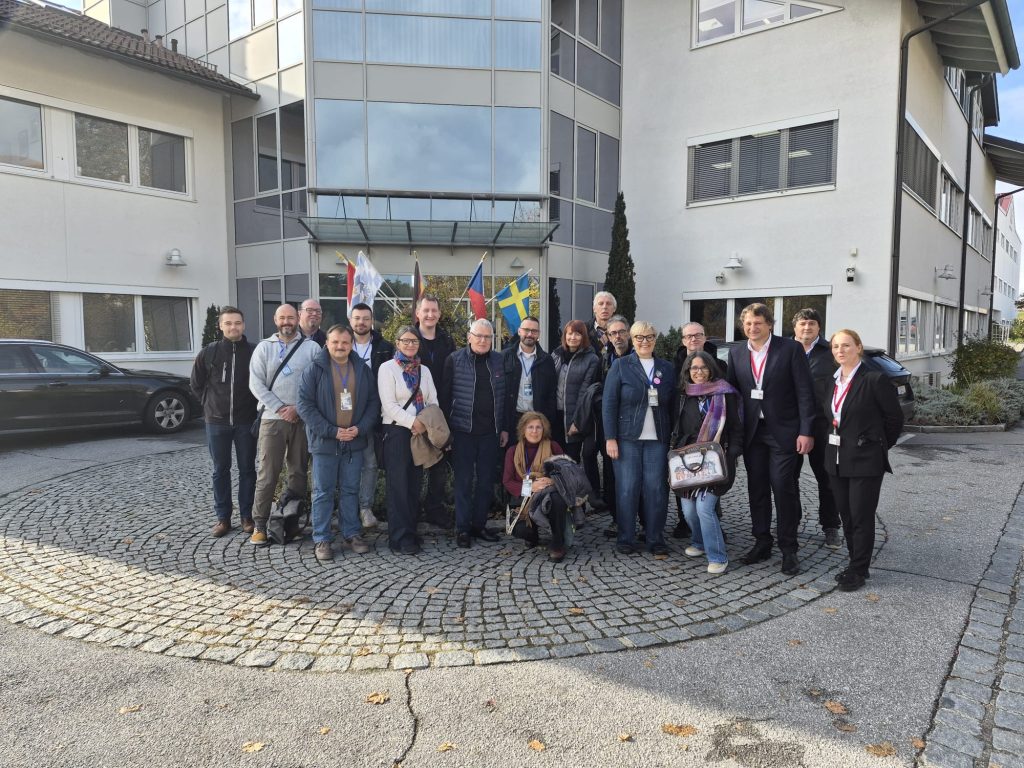
From October 26 to 30, 2026, representatives from the Faculty of Electronics and Informatics at Vilnius University of Applied Sciences (VIKO)—Justinas Zailskas, a lecturer in the Department of Software Engineering, and Jolanta Mačėnienė, Head of the Department of Information Systems—participated in an Erasmus+ Blended Intensive Programme (BIP) titled “Technology Transfers and Applied Research @ DIT: Cybersecurity and Computer Science” at the Deggendorf Institute of Technology (DIT) in Germany. The objective of the programme was to gain insight into DIT’s concept of technology centres, its infrastructure for applied research, and its partnerships between academia and the business sector.
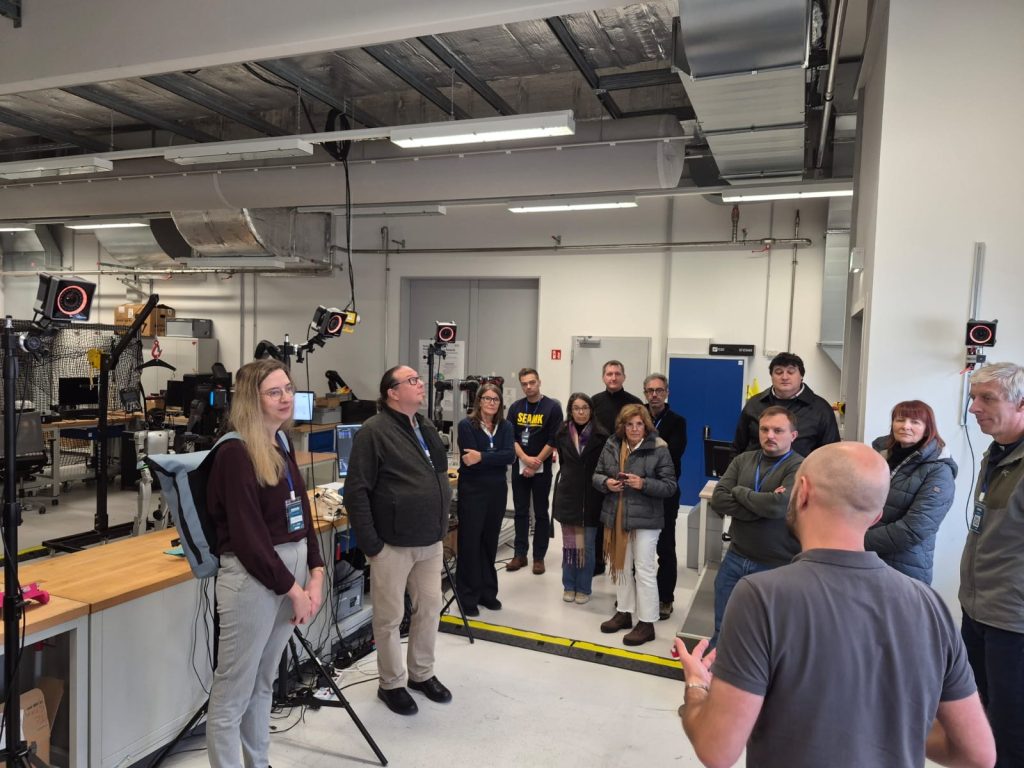
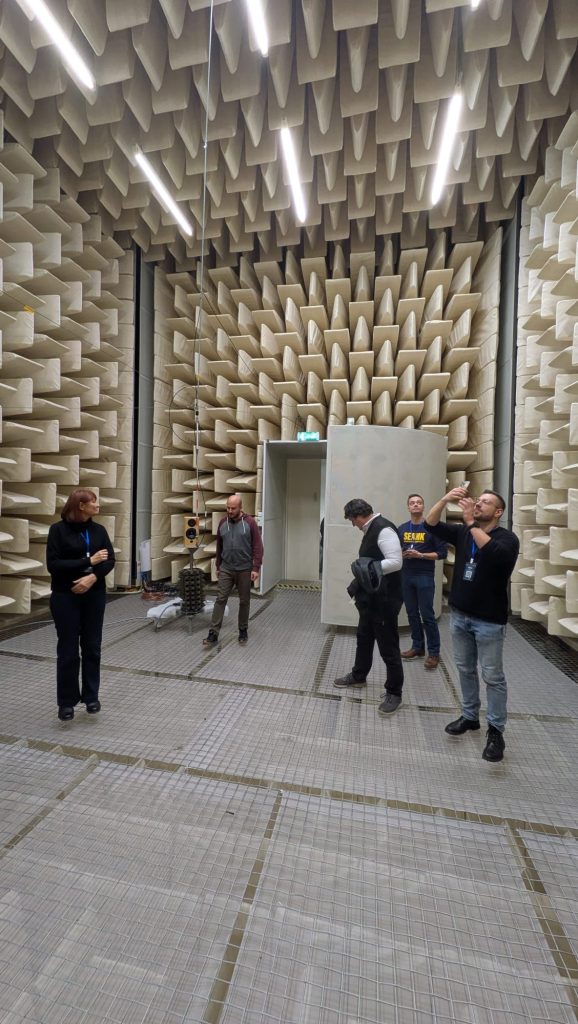
On the first day, the participants toured DIT’s laboratories—covering areas such as artificial intelligence, smart technologies, and multimedia and acoustics—and met with researchers and heads of research groups. The “Technology Campuses” concept was presented, highlighting how it fosters strong ties between research, academic studies, and the business sector within the regions.
During the visit, the participants toured four technology centres, where they explored ongoing research, emerging technologies, and their practical applications across various fields:
Cham – artificial intelligence solutions in robotics, digital twins, and simulations;
Grafenau – digitalisation, artificial intelligence, and big data;
Freyung – embedded systems, geoinformatics, and technologies based on biological system principles;
Vilshofen – cybersecurity, threat detection, and response. At each center, meetings were held with researchers to discuss ongoing projects and experiences regarding collaboration with the business sector. Participants also visited the company Micro-Epsilon, where they gained insight into the development of high-tech solutions and models for university-industry partnerships. During a Design Thinking workshop at the end of the program, participants generated ideas on how to adapt the DIT technology center model to the specific needs of other regions within the HEROES alliance.
The visit provided valuable knowledge regarding the organization of applied research, innovations in cybersecurity and computer science, and science-industry partnerships. Ties with international partners were strengthened, and potential avenues for future collaboration were discussed. A key takeaway was that a successful regional innovation ecosystem is built upon continuous interaction between higher education institutions, researchers, and the business sector, with a strong focus on solving practical problems.